

Sketching a Future in Medicine
For much of history, women were shut out of professional medicine. Medical schools did not accept women as students, and nurses—though essential—were limited to supportive roles. Doctors led; women assisted. Traditional gender roles ruled the hospital floor.
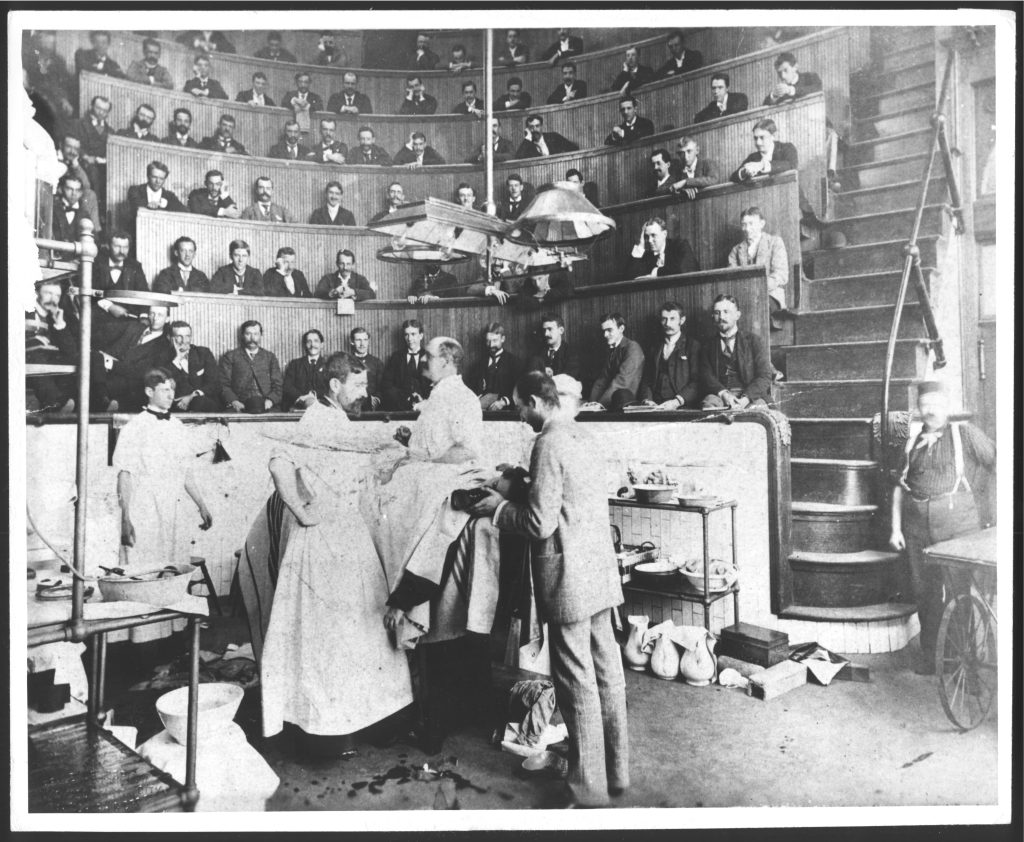
Operating theatre of the Montreal General Hospital, c.1910
But, in early 20th-century Montreal, some women found a different path into medicine: through illustration.
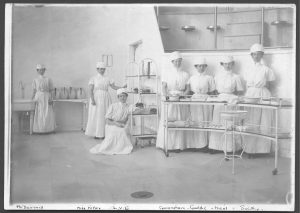
Nurses in the operating room of the Royal Victoria Hospital, 1906
By the 1920s and 1930s, medical publishing was booming. Pathology departments at McGill’s teaching hospitals were growing fast, and doctors needed detailed, accurate visuals to showcase their discoveries. That’s where skilled artists came in.
Many women seized the chance. Medical illustration offered them a unique way to build careers alongside male physicians—without becoming nurses or doctors.
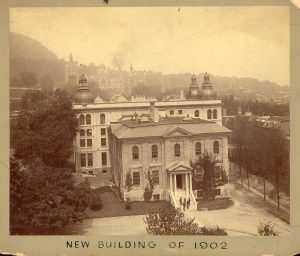
Medical Building, McGill University, c.1902
McGill didn’t open its medical school to women until 1917. So, several ambitious young women from Montreal headed to Baltimore instead. At Johns Hopkins, they studied under Max Brödel, the world’s leading medical illustrator and founder of the first training program in the field.
These women often came from well-connected families. Their fathers or brothers were doctors. They’d attended prestigious girls’ schools in Montreal, like Miss Edgar’s and Miss Cramp’s, where art was a key part of the curriculum. For them, medical illustration was a perfect blend of science and creativity.
Their work didn’t just support the medical profession—it helped shape it.
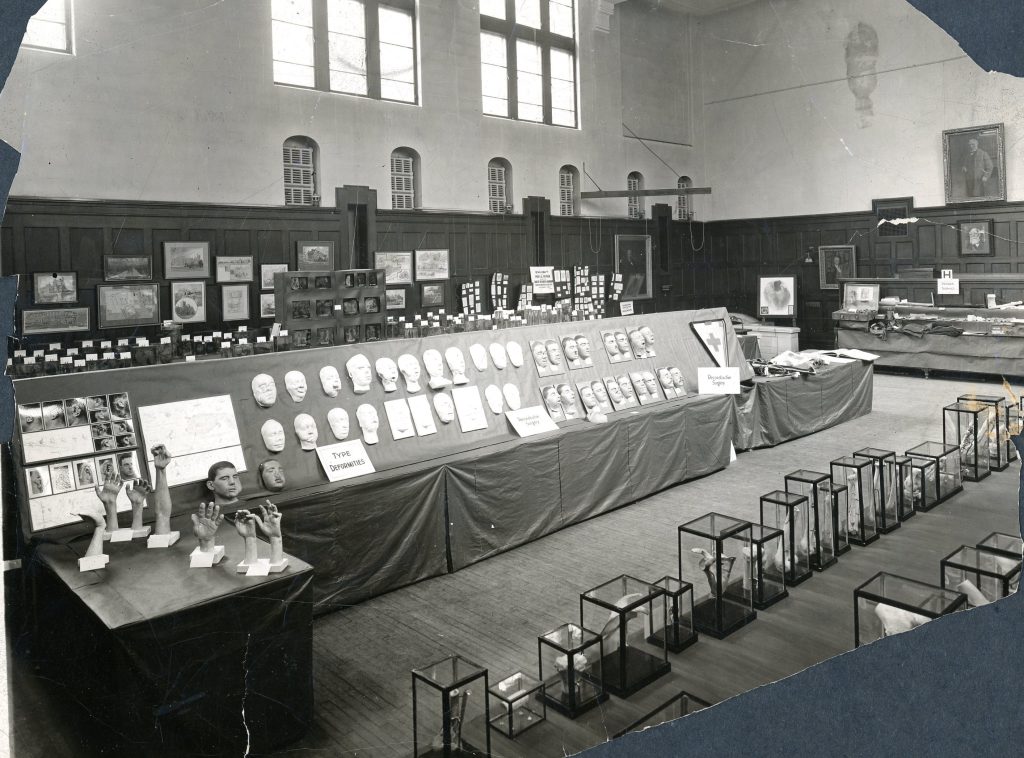
Canadian Medical War Museum exhibit at the American College of Surgeons meeting, Montreal, 1920