

A Career Against the Odds: Nan Lawson
One of the first, and foundational medical illustrators to walk the halls of McGill’s buildings was Anne Gertrude Lawson (1897-1985)—known to friends as Nan. Born in Windsor, Nova Scotia, she grew up between Canada and Havana, Cuba, before studying art at Newcomb College in Louisiana. She later trained as a nurse at the Royal Victoria Hospital, graduating in 1920. That combination—art and medicine—proved decisive.
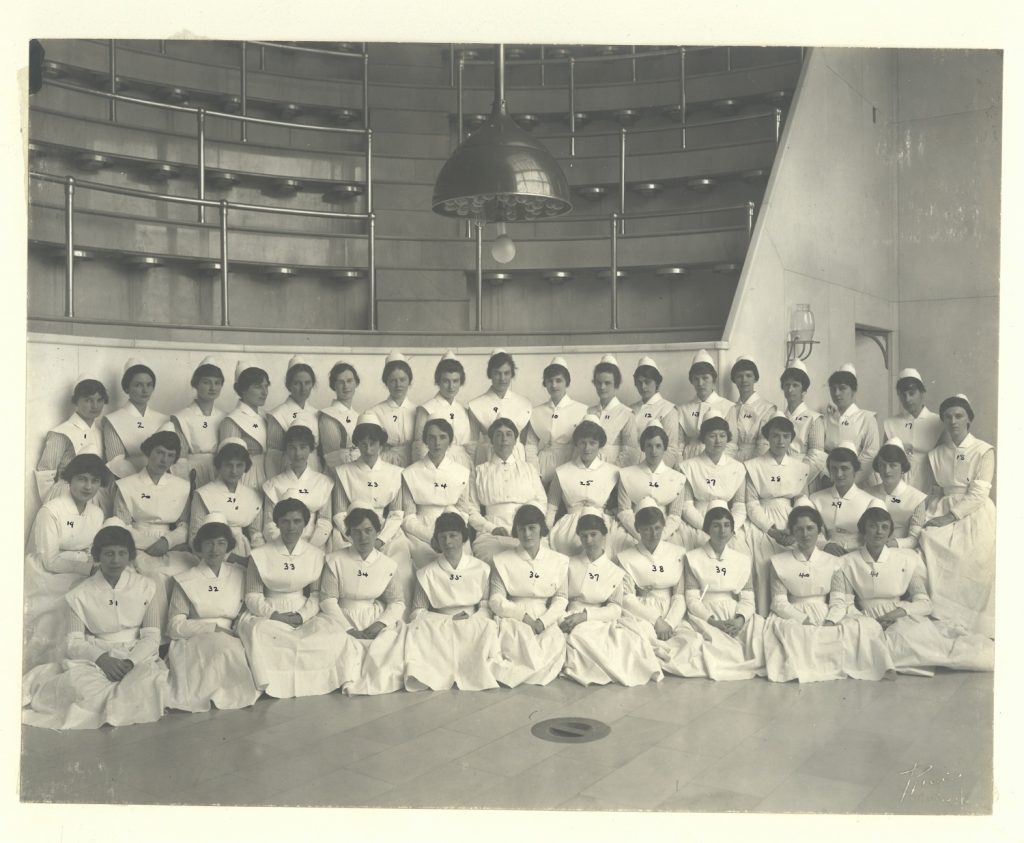
Graduating class of the Royal Victoria Hospital School of Nursing, 1920. Nan Lawson, far right, front row.
In 1921, Lawson went to Johns Hopkins to study under Max Brödel, the legendary founder of modern medical illustration. It was, as she later admitted, “an almost unheard of course for a woman to attempt.” Yet she thrived. By 1923, she had returned to Montreal and persuaded both the Royal Victoria Hospital and McGill to support the creation of a Department of Art Applied to Medicine—the first of its kind in Canada.
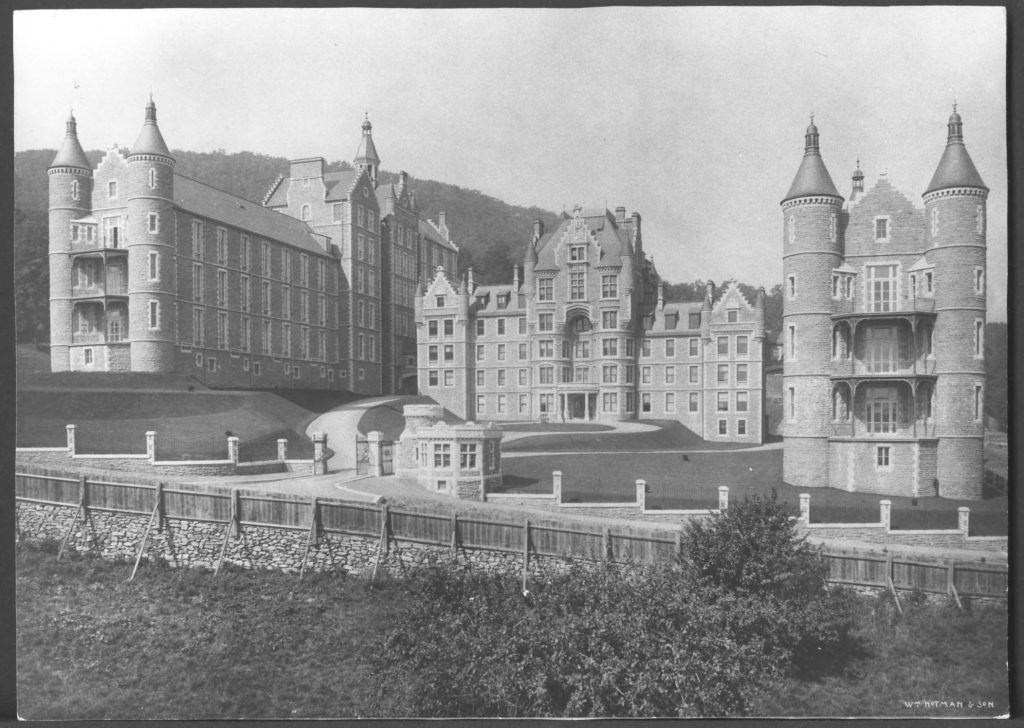
The Royal Victoria Hospital, c.1893.
Her timing was critical. The First World War had left thousands of disfigured soldiers in need of plastic surgery. Lawson recorded their faces before and after operations. Her drawings were precise, clinical, yet deeply humane. “I loved the perfection of the human body,” she explained, “the perfect arrangement of the muscles and the organs, the perfect designs.”
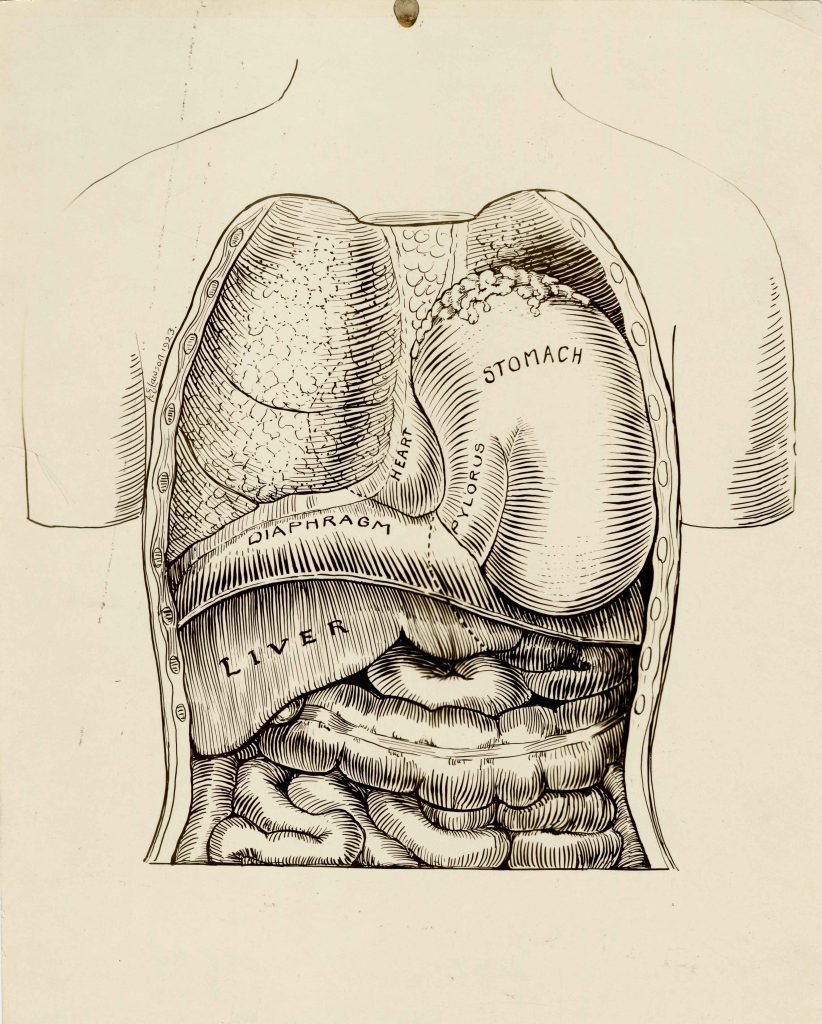
This abdominal, linework medical illustration by Nan Lawson Cheney is signed 1923. This is the year she graduated from Johns Hopkins and pursued work in medical illustration at McGill University and the Royal Victoria Hospital.
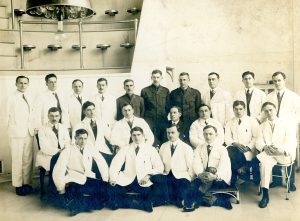
Residents, Royal Victoria Hospital, 1914-1915. Dr. Hill Cheney, second from right, front row.
Lawson worked in the department until 1924, when she married Dr. Hill Cheney, a radiologist. Like so many professional women of her generation, she was expected to step away from her career.
Management of the medical art program passed to Harriet Blackstock, and in 1925 McGill assumed full control. Lawson moved to Ottawa, focusing on her painting, though she freelanced when finances demanded.
She returned briefly to medical illustration in the 1930s, and after her husband’s death in 1949, took on more steady work, eventually becoming the first medical artist at the University of British Columbia in 1951. By then she had witnessed more than 1,000 operations.
Nan Lawson had crossed boundaries most women of her time were denied. She built a department, set a precedent, and proved that art could stand at the very heart of medicine.