

Eleanor Sweezey and the Case for Medical Art

Eleanor Sweezey was elected vice-chairman of the board of the Association of Medical Illustrators, The Montreal Star, 9 October 1952.
Eleanor Sweezey didn’t just attend the founding of the Association of Medical Illustrators —she carried its mission forward in Canada. Through her writing, teaching, and public speaking, she pushed for the professional recognition of medical illustrators as peers in medicine.
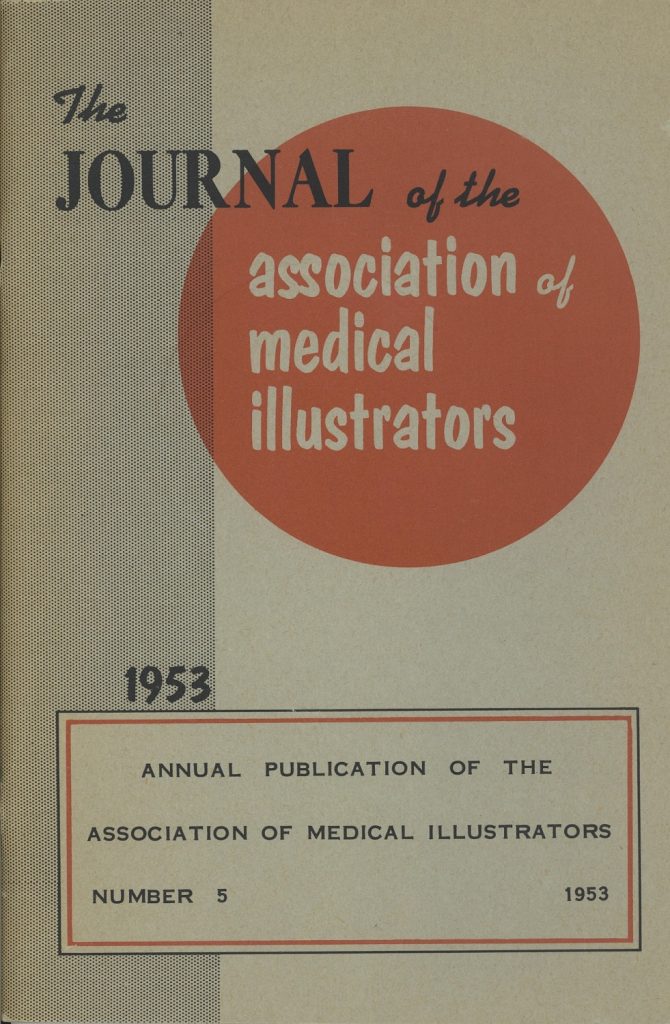
Graphics, the journal of the Association of Medical Illustrators, 1953.
In a 1947 article for the Journal of the Canadian Association of Medical Students and Interns, Sweezey took on a common question: “Do we even need illustrators anymore?” Her answer was clear. Textbook images were outdated and often copied endlessly without correction. Publishers rarely credited the artists. Without qualified illustrators, visual teaching materials lost their value.
She explained what good illustrations offered: clarity, accuracy, and continuity—especially in hospitals where residents rotated frequently and consistent instruction was vital.
Unlike photographs, drawings could show movement, emphasize subtle structures, and reveal multiple layers of anatomy in a single image. Videos, she noted, often couldn’t capture these same details due to speed, scale, or obstruction during surgery.
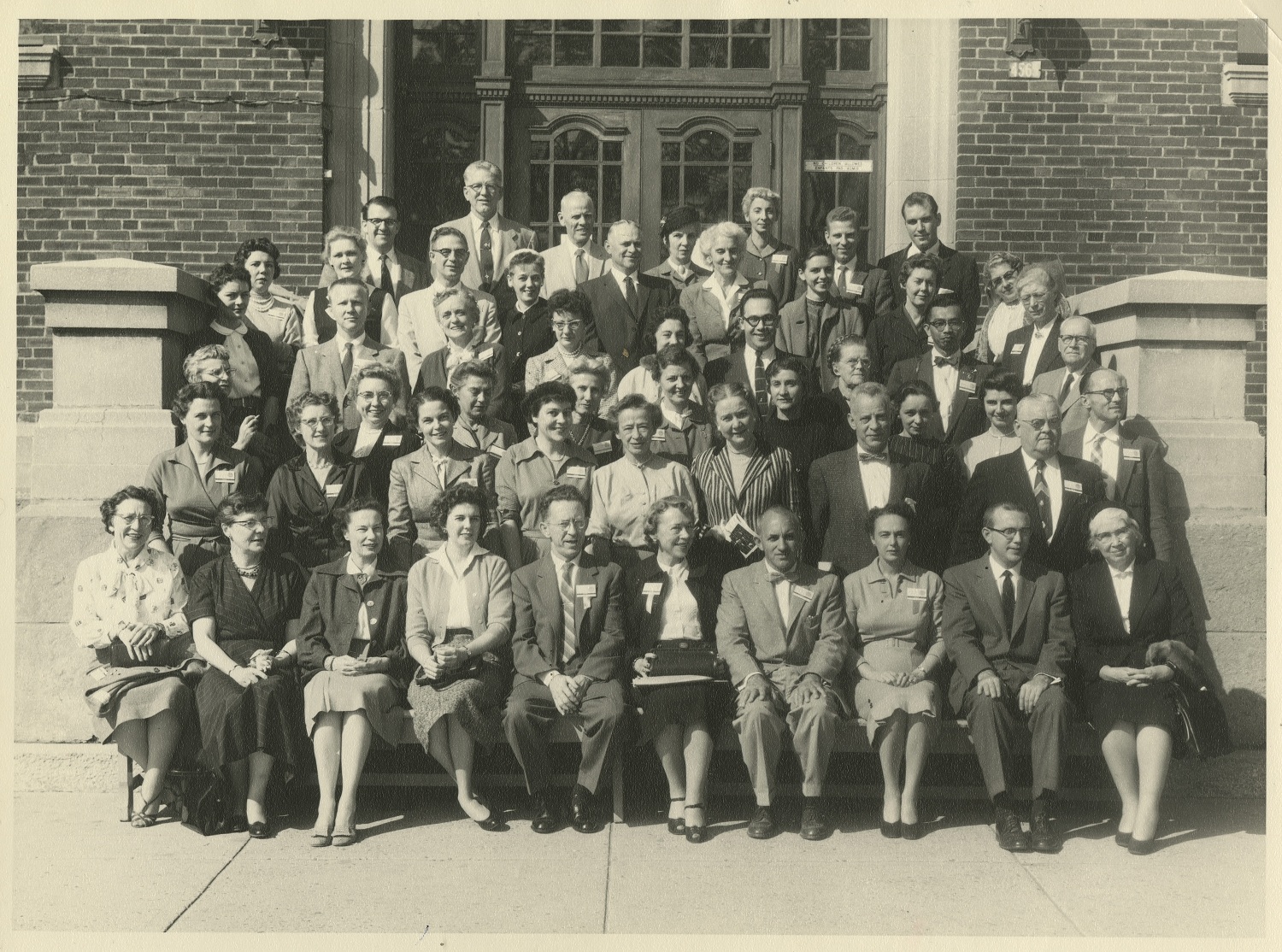
Meeting of the Association of Medical Illustrators, Montreal, October 1957
She also challenged doctors to respect illustrators’ time and expertise. Too often, she wrote, physicians demanded polished images on unrealistic timelines, ignoring the skill and thought involved in creating useful visuals.
By 1949, Sweezey had been appointed national advisor on medical illustration and photography for Canada’s veterans’ hospitals. She later published on proper reproduction standards for illustrations and slides, promoting quality and ethics in teaching materials.
Sweezey wasn’t just advocating for better images. She was reshaping how the profession—and the people behind the drawings—were seen.
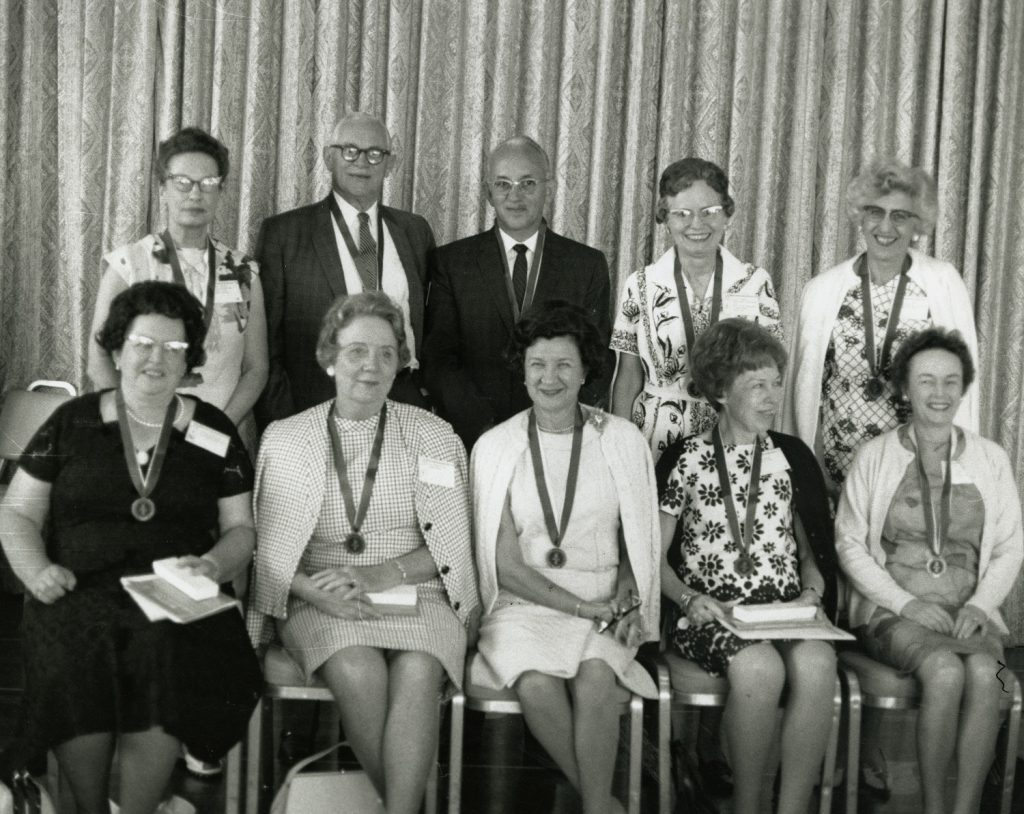
Charter members of the Association of Medical Illustrators, 1970. Eleanor Sweezey, seated front right.