

Harriet Tubman Bust – Amherstburg Freedom Museum
A visit to the Amherstburg Freedom Museum, which has undergone several rebrandings to reflect its evolving mission better, reveals similar struggles. The museum aims to center narratives of resilience and liberation, yet it faces systemic neglect compounded by financial instability. As we explored the exhibits, one piece caught our attention: a wooden bust of Harriet Tubman.
At first glance, the sculpture was striking, but a deeper look raised unsettling questions about representation. The figure, with broad shoulders, a strong jaw, and a flat cap, seemed more masculine than the Harriet Tubman we are familiar with—the icon of liberation. While it can be assumed that this portrayal may reference Tubman’s use of male disguise to navigate checkpoints during the Underground Railroad safely, the likeness felt disjointed from the historical figure it was meant to celebrate.
Rather than honouring her strategic ingenuity, this artistic choice reinforces a patriarchal tendency to frame courage, resilience, and defiance as inherently masculine, thereby diminishing the fullness of Tubman’s identity and legacy. Created by a white artist, this piece raises the questions: Who should tell our stories? Who decides how history is represented, and how do those representations shape collective memory?
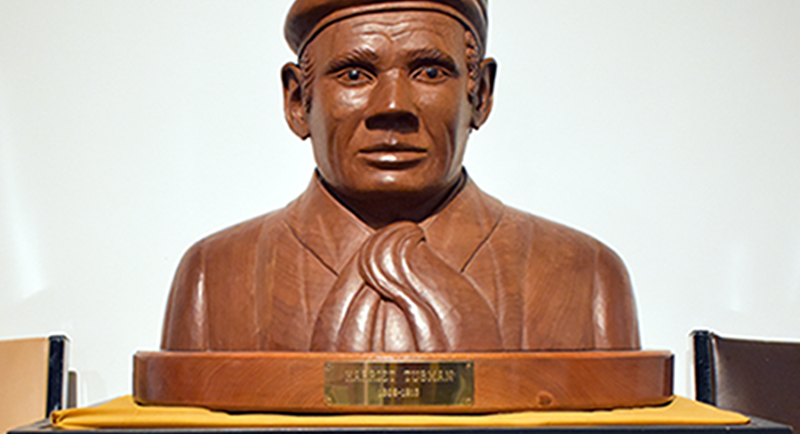
Figure 1. A picture of the wooden bust of Harriet Tubman created by Grant Bone at the Amherstburg Freedom Museum. Photo by Gabriela Sealy, taken at St. Catharines, Ontario, October 2024.
Figure 1. Photo du buste en bois d’Harriet Tubman sculpté par Grant Bone, Musée de la Liberté d’Amherstburg. Photo par Gabriela Sealy, prise à St. Catharines, Ontario, octobre 2024.
One truth emerges as we examine these challenges: historical sites, especially those dedicated to Black history need systemic support, not just in funding, but in curating and preserving Black narratives in a manner that respects the lived experiences of the communities they represent.