

Salem Chapel: Then and Now
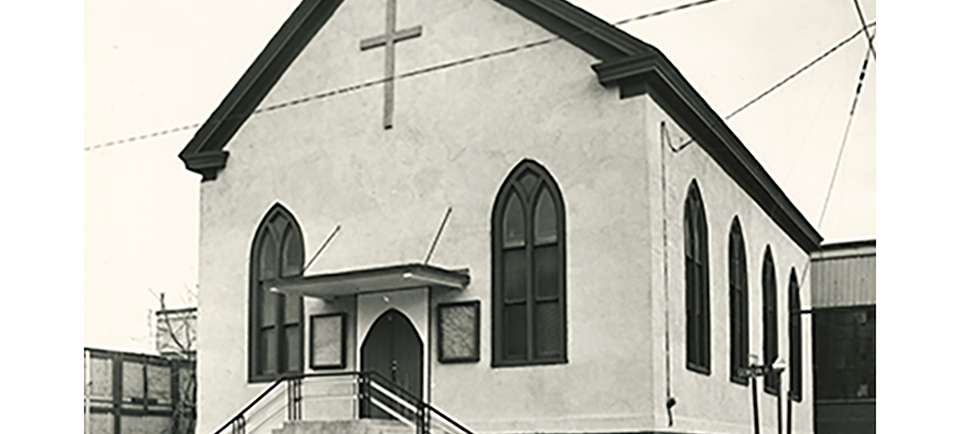
Figure 1. Geneva Street British Methodist Episcopal Church, 1975. Photo from St. Catharines Standard/Niagara Falls Review Photographs 1971-1975, Brock University Archives and Special Collections, October 2024.
Historical sites, particularly those of profound significance to Black history, are not only repositories of memory but can also be spaces of ongoing negotiations for ownership, accessibility, and interpretation. Such was the experience of engaging with the Salem Chapel British Episcopal Baptist Church in St. Catharines. More than just a place of worship, the Chapel was a vital center for abolitionist activities and played a key role in Harriet Tubman’s work during her years in St. Catharines. It functioned not only as her spiritual home but also as a strategic meeting spot and, most importantly, a safe house for freedom seekers.
Although it was anticipated that the Church would welcome young Black researchers dedicated to preserving Harriet Tubman’s legacy, access proved challenging. What had initially seemed a reasonable expectation encountered the realities of contemporary constraints, including limited human and financial resources, factors that may have influenced the Church’s current capacity to engage in ways that once characterized its historical role as refuge for Black freedom seekers. Although the church offers a guided tour service, it is only open to private groups and not the general public.
At this historic site, the struggle for access reflects the challenges many Black historical landmarks face in preserving structures that are not merely buildings, but emblems of history. Beyond weathering significant physical and financial challenges that threatened its continued existence, declining engagement, and, perhaps most tellingly, a perceived lack of reverence for its sacredness from some visitors, may have resulted in a more private and guarded approach to preservation by the current church administration.
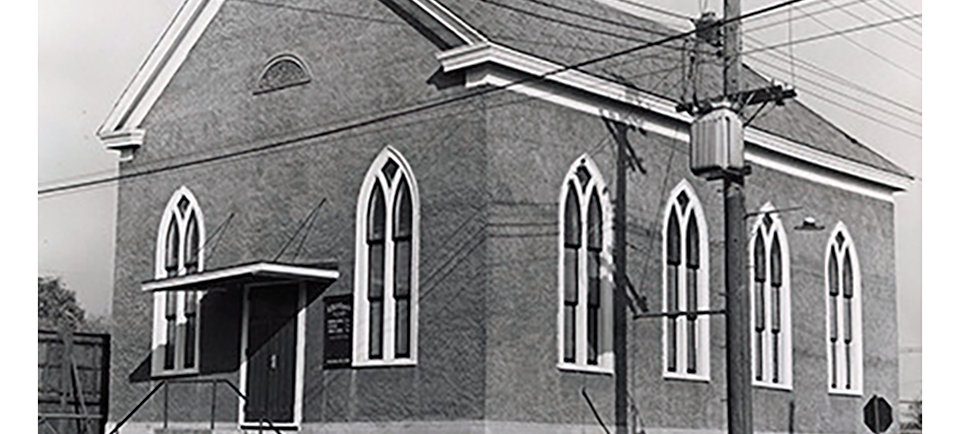
Figure 2. Geneva Street British Methodist Episcopal Church, 1945. Photo from St. Catharines Standard/Niagara Falls Review Photographs 1941-1945, Brock University Archives and Special Collections, October 2024.
The enduring presence of Salem Chapel, whose congregation, as noted on its website (Salem Chapel), still includes descendants of freedom seekers, embodies history being mapped onto the present. In addition to its designation as a National Historic Site of Canada on March 28, 2000 (Parks Canada), the Church describes itself online as a Sanctuary of History, acknowledging its layered significance. Given Ms. Tubman’s deep connection to this space, the historical relevance and symbolic weight of Salem Chapel as shared heritage cannot be overemphasized. Community engagement is not merely a tool to safeguard the physical structure; it is an integral part of keeping alive the stories, struggles, and triumphs that give these sites meaning. For this reason, expanding public access is vital and requires ongoing investment in the preservation, restoration, and care of Black historical sites.