

Ms. Tubman’s Life and Legacy with Dr. Rosemary Sadlier
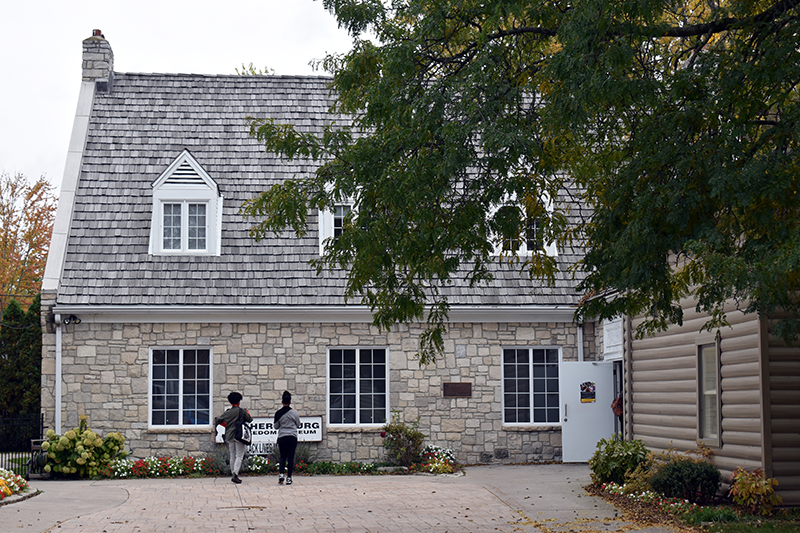
Recorded interview with Dr. Rosemary Sadlier, completed by Blessing Ogunyemi for the Harriet Tubman Institute, York University.
TRANSCRIPT:
Dr. Rosemary Sadlier: There’s history, and then there is the anal seeking of exact information. For me, it’s not super critical if Harriet Tubman was born in 1920, or 19, sorry, 1820 or 1821, it’s not… that’s not too important, because it’s still the same era. There’s still the same factor. It’s still, and you know that if there is a lack of precision, or if there are questions about her actual birth date, for example, I don’t think that they’re important to the significance of her as a historical figure—what is important about Harriet Tubman… not her birth date. What’s important about Harriet Tubman is her resilience. What’s important about Harriet Tubman is her love of family. What’s important about Harriet Tubman is her success, despite everything, in making her way on her own, guiding people, threatening or cajoling them into keeping quiet when they needed to, so that they wouldn’t be discovered. These are important things to know about this woman, to know that she, as far as I understand it, even to date, is the only woman to lead and carry out a military manoeuvre which rescued people in South Carolina. I mean, just recently, she was posthumously given a rank in the army. She should have had that in life. So, I mean, there’s nothing that I question about Harriet Tubman. One other piece that came up was a new image that was supposedly found of Harriet Tubman. Okay, but that doesn’t change her importance as a Black woman who repeatedly did what she could to rescue other Black people.