

Reinventing a culinary heritage
The example of the sea urchin
Colonization and globalization have had an effect on the Wolastoqiyik’s eating habits over time. Many communities are rediscovering their culinary traditions and are promoting local products. Indigenous and non-Indigenous chefs are creating modern dishes inspired by ancestral recipes or that allow diners to discover long-neglected or overlooked Indigenous resources.

Green sea urchin.
This is the case of the green sea urchin (Strongylocentrotus droebachiensis), which only began to be harvested for food in the early 1990s. This coincided with the arrival and rise in popularity in Quebec of traditional Japanese dishes, which is largely responsible for the consumption of raw fish in our diet. Since then, the green sea urchin—considered the most delicious and delicate of all species—has been celebrated in the form of the famous “Uni” sushi. The Wolastokuk sea urchin, affectionately known as the “foie gras of the sea” because its soft texture and rich, savoury umami flavour, evokes the pungent, salty smell of spring tides.
An eco-responsible and sustainable flagship of cultural identity
For the Wolastoqiyik-Wahsipekuk, harvesting green sea urchins is much more than just gathering food. It is now an act deeply rooted in their culture, as well as a way of connecting with their ancestral land and of perpetuating intergenerational transmission. This is essential to maintaining the identity and values of the Wolastokuk people.
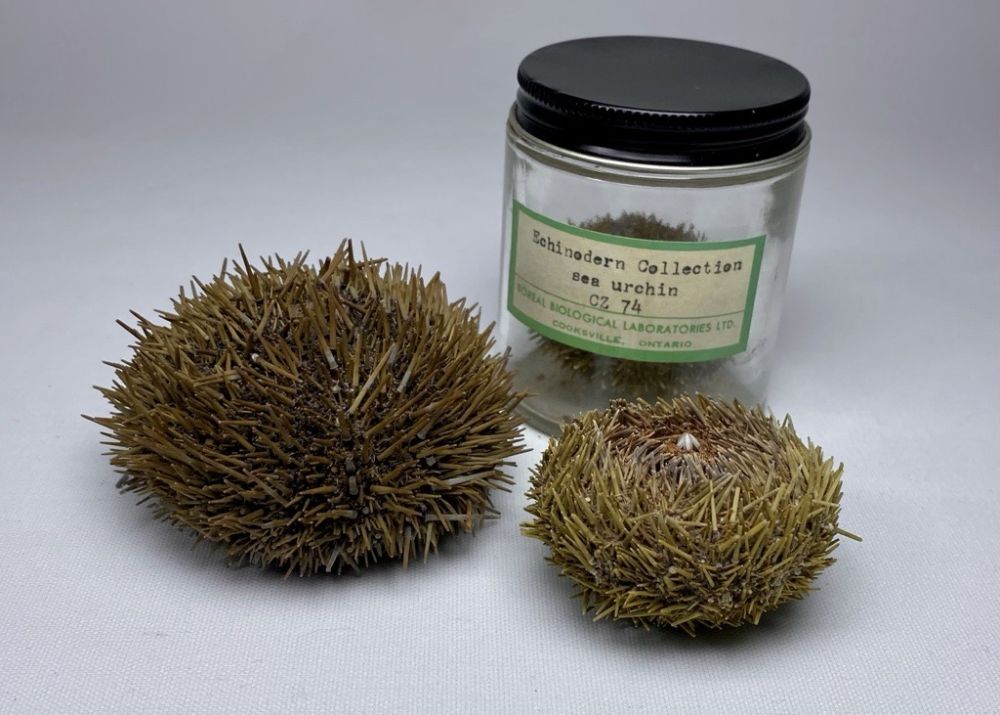
Green sea urchins.
The Wolastoqiyik, who are now guardians of the resource in collaboration with non-Indigenous people, to whom they issue permits, have essential expertise in the development and preservation of this important economic resource for the communities of Wolastokuk.
This fishery is at once an act of subsistence, a cultural expression, and a means of preserving their language and unique intangible heritage. It enables them to continue in their role as guardians of the resources and biodiversity that they now proudly uphold in the heart of their territory.