

Food preparation
By the time Europeans arrived in the region in the 17th century, the Wolastoqiyik had adapted their eating habits to their nomadic and seasonal lifestyle. They often ate hot meals consisting of meat, fish, fruit, vegetables, and roots cooked over a fire. Food was often dried, smoked, or preserved in fat so that it could be eaten in winter.
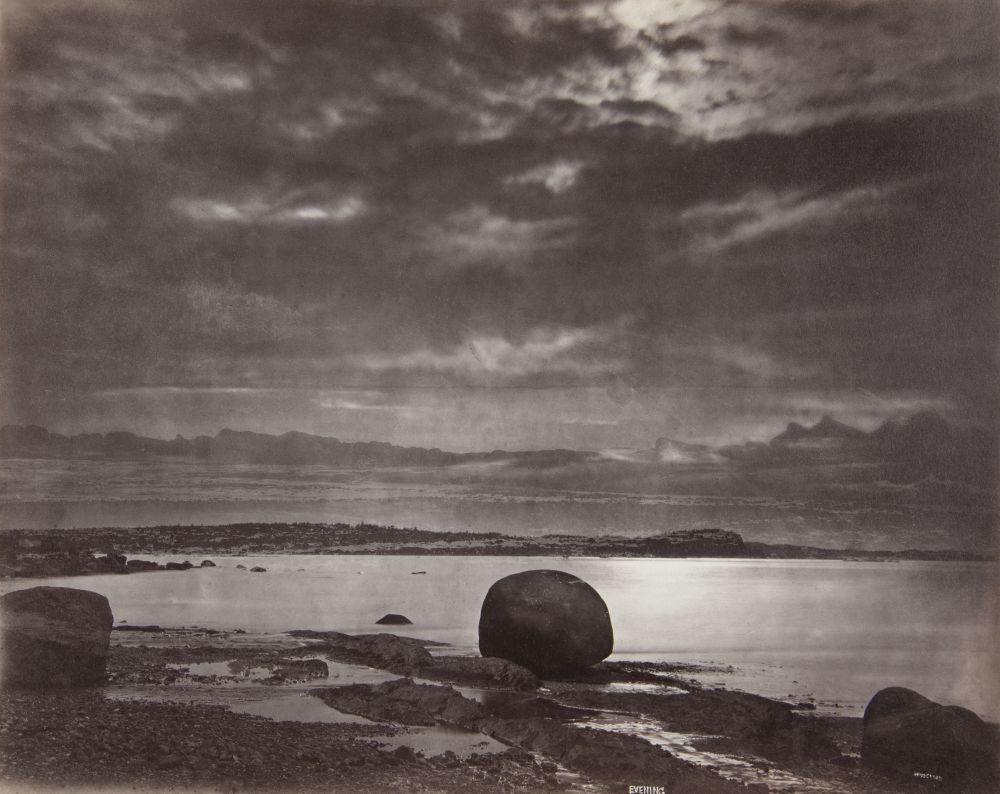
Evening on the beach at Métis.
Women played a central role in food preparation. They knew the nutritional and medicinal properties of plants native to Wolastokuk, as well as food processing techniques. They were also responsible for passing this knowledge down to future generations.
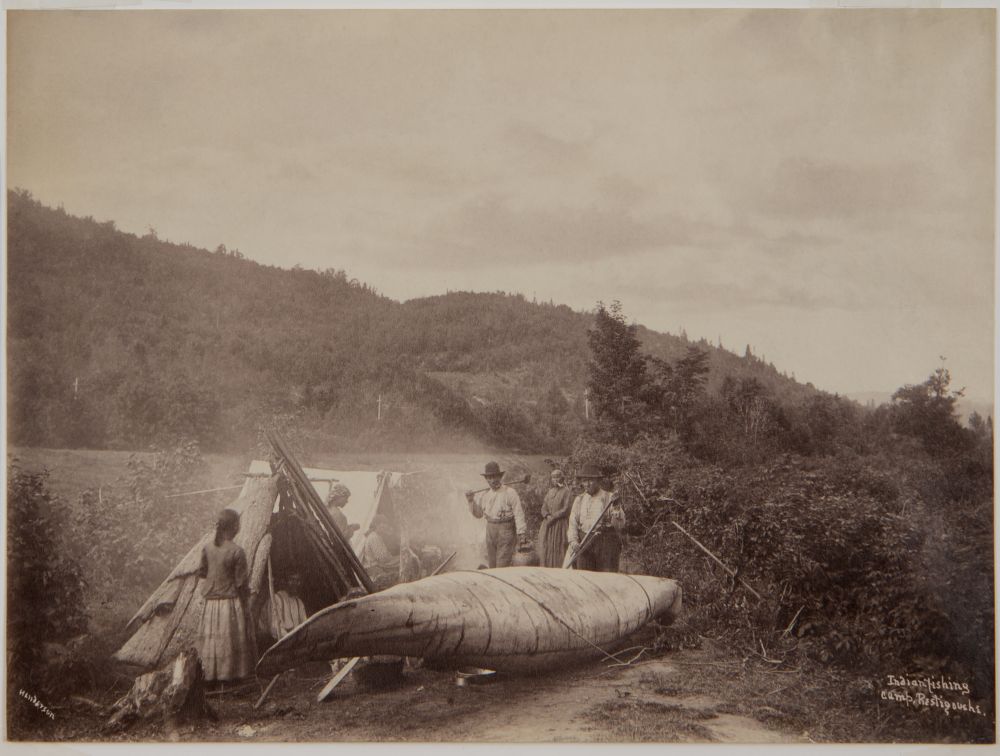
Indigenous fishing camp.
It is hard to find exact recipes from the past handed down by the Wolastoqiyik. Nevertheless, today’s community draws inspiration from the following:
Tree bark broth: A nutritious drink made from certain types of bark, rich in vitamins and minerals.
Fish soup: Made with fresh fish, potatoes, root vegetables (Jerusalem artichokes), and herbs.
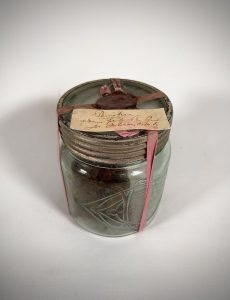
Pemmican.
Game stew: A dish simmered with seasonal fruits and vegetables and local spices and herbs.
Cornbread/bannock: A traditional bread baked on a hot stone. Cattail pollen was sometimes used in conjunction with corn if the latter was not very abundant.
Pemmican: An energy-rich mixture of dried meat, fat, and berries, ideal for eating when traveling.