

Letter from Henriette in La Tuque to Brigitte (September 2, 1945)
My Dear Friend Brigitte,
As you know, today, September 2, 1945, I just heard on the radio that Japan has surrendered. What joy! Things are getting better in my neck of the woods. How are things where you are, in the United States? Some of my friends have been working day and night for the war effort. Meanwhile, I became the La Tuque correspondent for Le Nouvelliste. I feel as if I’m getting closer to my dream of becoming a journalist… At long last!
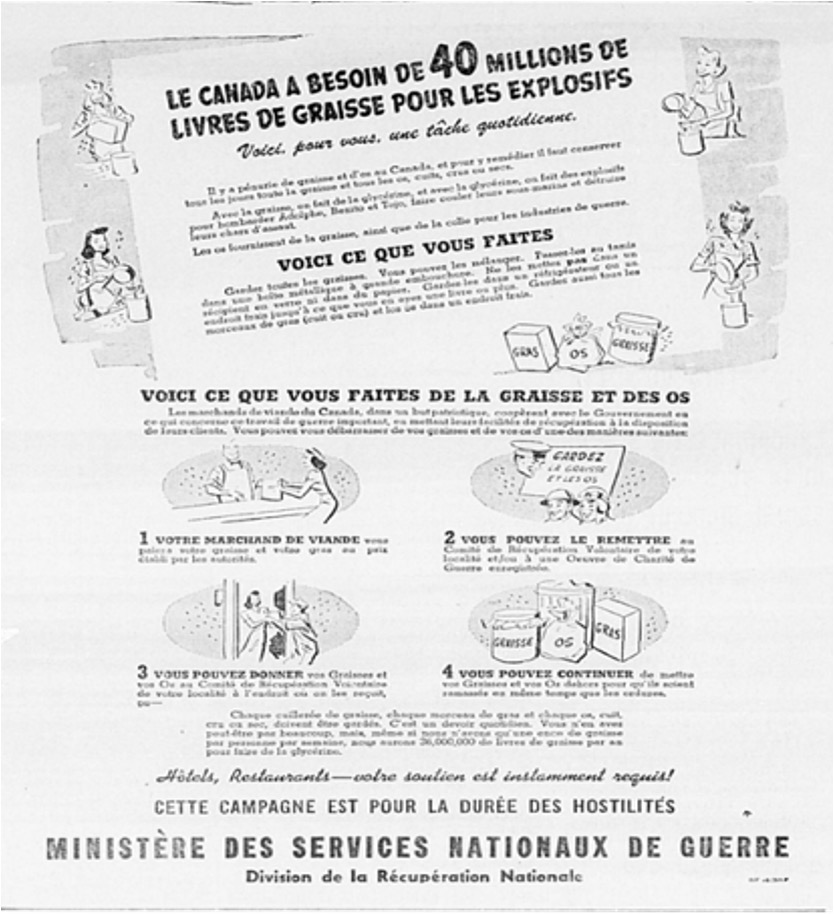
Wartime advertisement
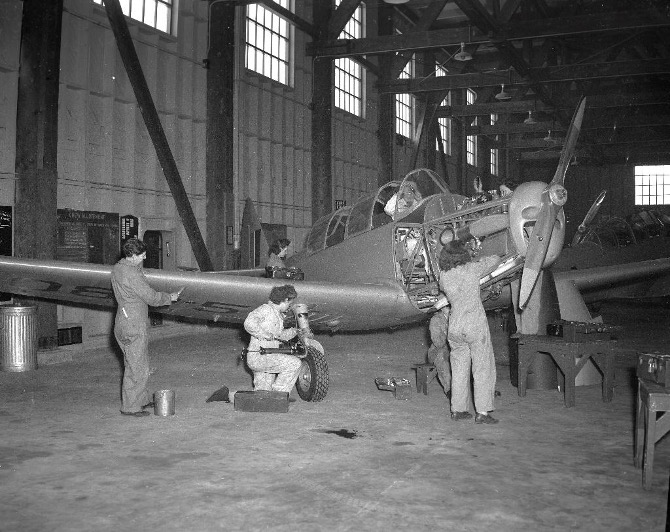
Women mechanics at Cap-de-la-Madeleine Airport
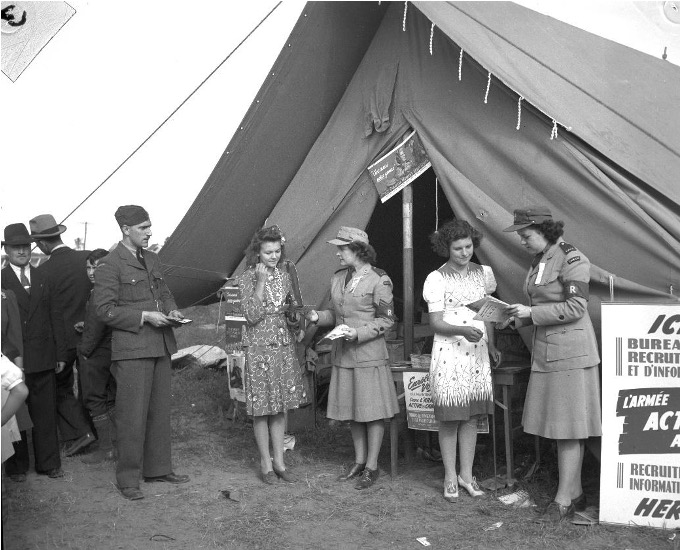
Recruitment office
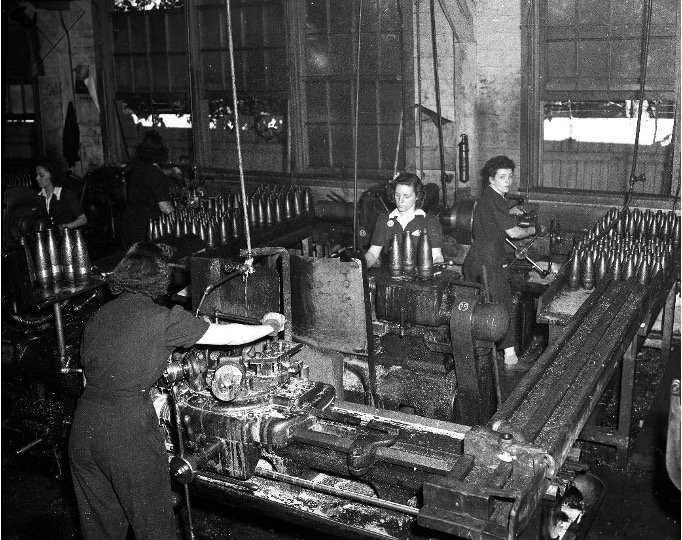
Ammunition factory
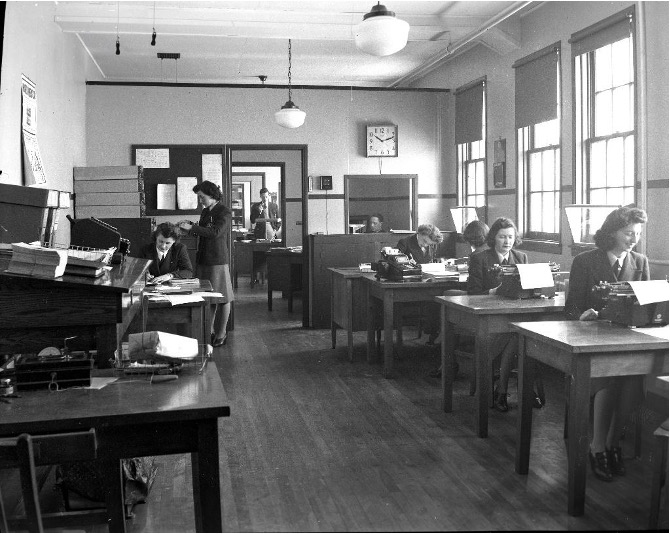
Women war correspondents
So much has happened since 1940… Conscription in 1944, which led to men being drafted into the armed forces. The arrival of women in the factories. Women even gained the right to vote in provincial elections in 1940!
Not that there aren’t still areas for improvement. Maurice Duplessis has been in power since 1944, and he still won’t grant us the right to sign financial agreements, own property or execute a will without our husband’s permission.
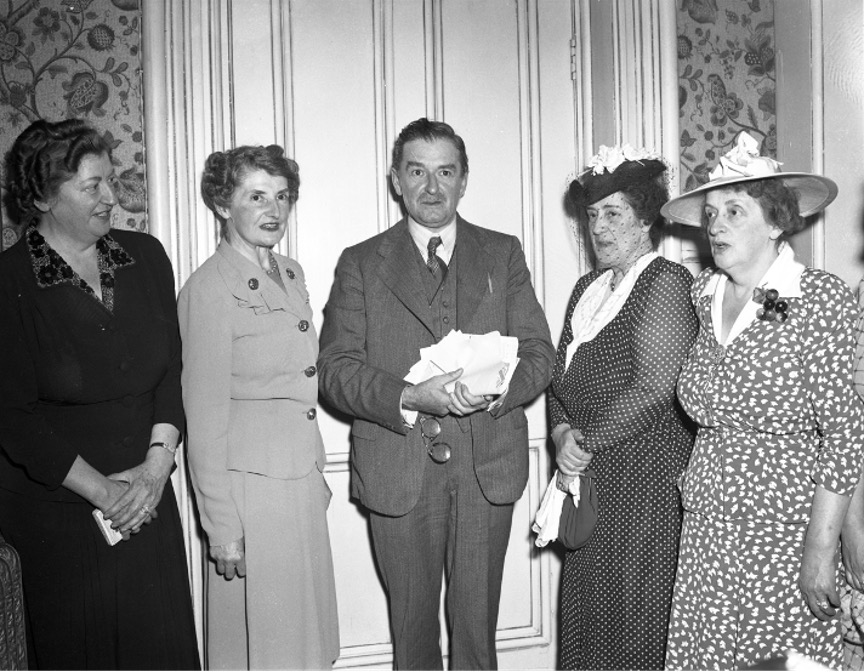
Maurice Duplessis and his sisters, following his election victory
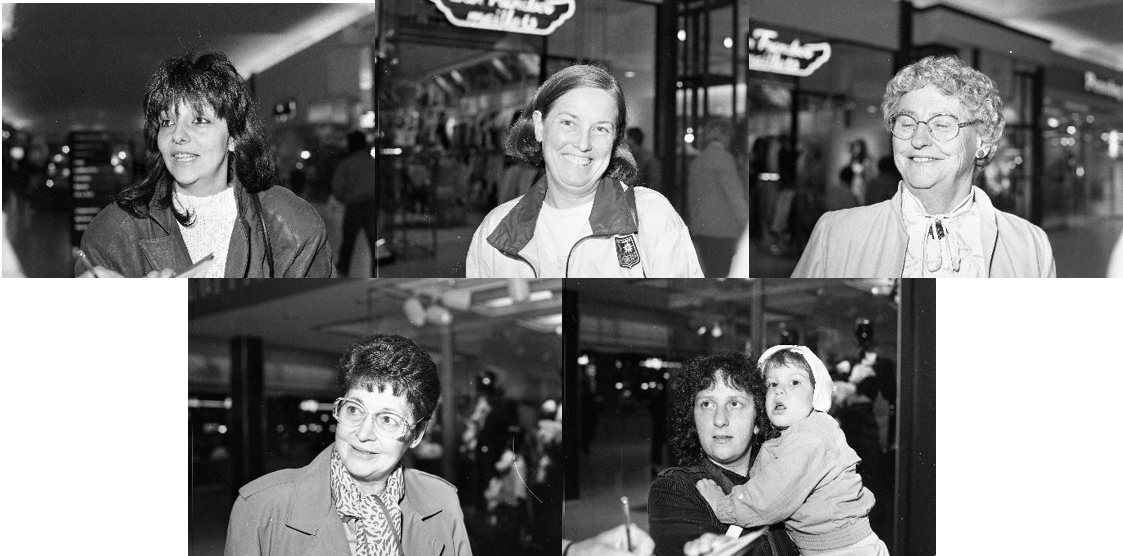
Perspectives on the anniversary of women gaining the right to vote
Things have also improved in other parts of Canada! For example, Agnes Campbell Macphail became the first woman elected to the House of Commons. She served from 1921 to 1940. That bodes well for the future of women in politics in Quebec.
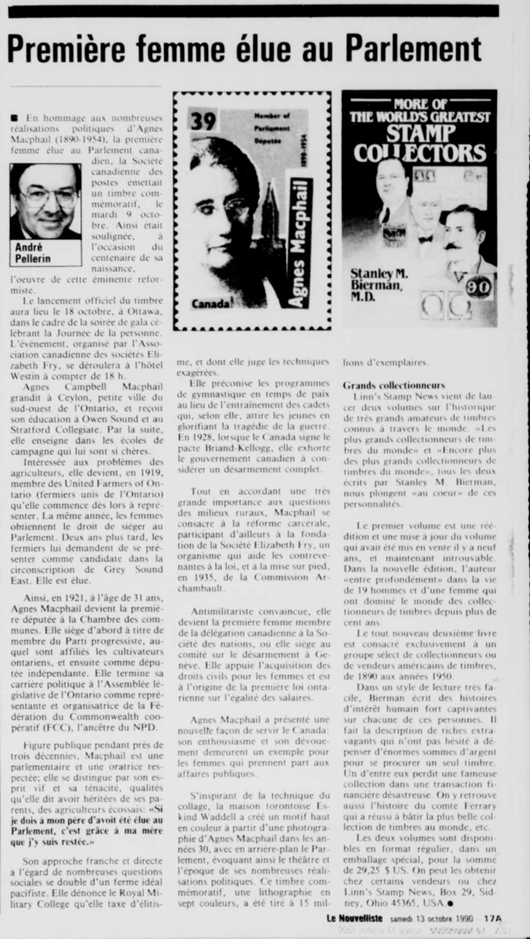
Veteran Alberta Conservative MP Michelle Rempel Garner told CBC that the anniversary of Macphail’s election should be a moment not for complacency but for remembering that ‘we still have a long way to go.’
– Ryan Maloney, Victoria Valido and Hannah Thibedeau
CBC (December 6, 2021)
Since arriving at the Shawinigan office of Le Nouvelliste in 1942, I’ve come to realize that not all women are in favour of us having the right to vote. I’m deeply troubled by the fact that the Ligue catholique féminine du Québec is active in our region. With guidance from the clergy, its members oppose women’s suffrage while seeking to ban new fashion trends and promote the dangers of cinema.
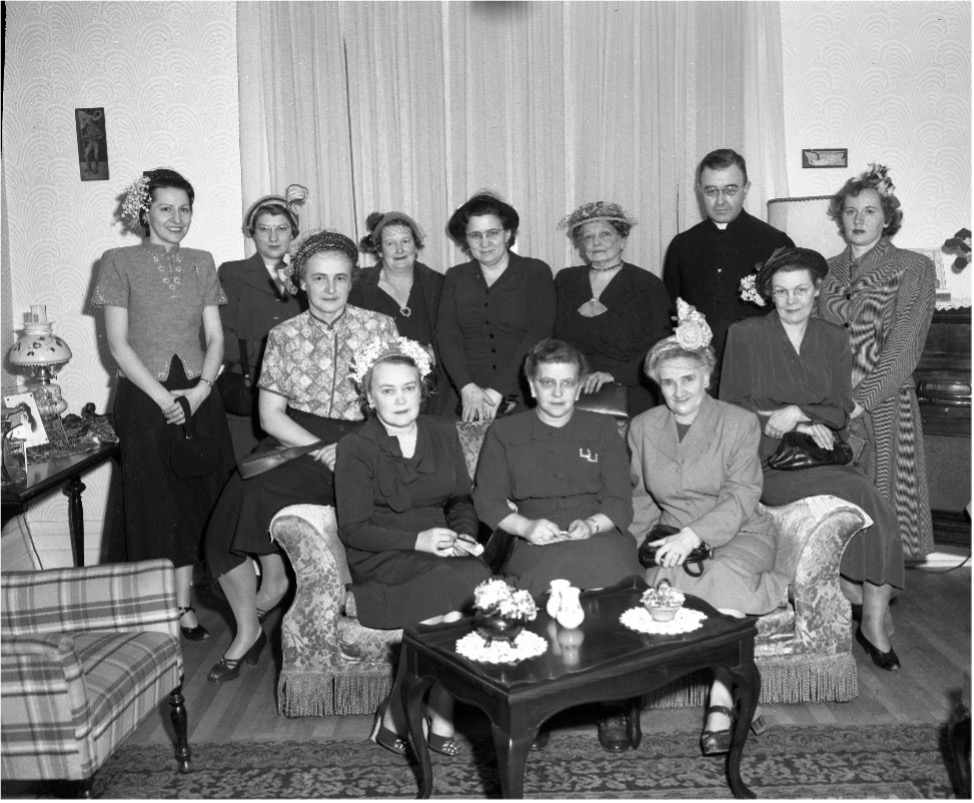
Ligue catholique féminine du Québec
I still think that working as a correspondent in the La Tuque area is the best way for me to inform others about these topics, which are of such deep concern to me. It’s vital that we make the public aware of the feminist struggle during this difficult period.
I hope to hear from you soon.
Best regards,
Henriette