

Abraham Doras Shadd: Farmer, Educator, and Abolitionist
Abraham Doras Shadd was a prominent abolitionist, community leader, and advocate for education whose life and work helped shape Black settlement in Canada West (now Ontario). He firmly believed in education, thrift, and hard work—values he demonstrated throughout his life in both the United States and Canada.
Unlike many of his contemporaries in the struggle for emancipation, Shadd was born free in Wilmington, Delaware. His family history reflects a unique and complex background: his grandfather, Hans Schad, was a Hessian mercenary soldier who fought for the British during the American Revolutionary War. After being seriously wounded at the Battle of Brandywine (Chad’s Ford), he was cared for by a free Black woman, Elizabeth Jackson. Though promised compensation for her care, it was never paid—because recovery led to marriage between Schad and Jackson’s daughter, Elizabeth. Their son Jeremiah Shadd and his wife Amelia raised a large and accomplished family, with Abraham as the tenth of their twelve children.
Before coming to Canada, Abraham Shadd established himself as a dedicated abolitionist in the United States. He married Harriet Parnell and moved his family to West Chester, Pennsylvania, so his children could attend a Quaker school—demonstrating his deep commitment to education. Both his homes in Wilmington and West Chester served as stations on the Underground Railroad, offering refuge and support to freedom seekers.
Education remained at the heart of the Shadd family. Abraham Shadd instilled in his children a deep commitment to learning, leadership, and service. Their accomplishments reflected those values: two became lawyers, several pursued careers as educators, one daughter, Eunice, became a physician, and Mary Ann and Isaac co-edited the influential abolitionist newspaper The Provincial Freeman.
Mary Ann Shadd Cary emerged as one of the family’s most distinguished figures. As an educator, journalist, publisher, and activist, she broke barriers and became a leading voice in the fight for equality. Through The Provincial Freeman, she helped shape abolitionist thought across North America while championing education, self-reliance, and civil rights.
Abraham Shadd was equally committed to the abolitionist cause. He served on the Board of Managers of the American Anti-Slavery Society, was elected president of the Third Annual Convention of the Free People of Colour in 1833, and worked as an agent for The Emancipator, the Society’s official newspaper. His lifelong dedication to justice and equality laid the foundation for a legacy that would continue through future generations.
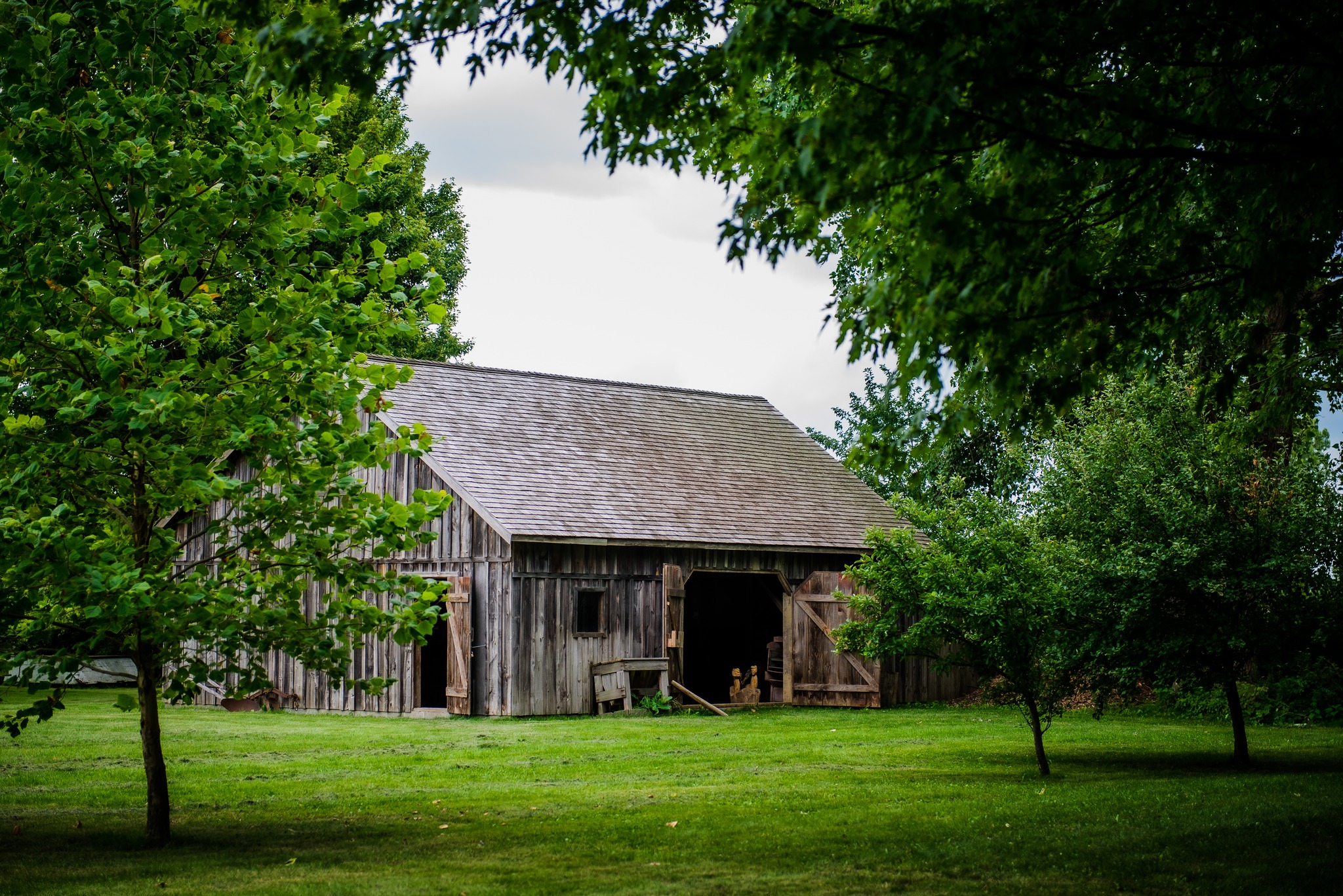
The 1853 barn of A.D Shadd on the grounds of The Buxton Museum.
The passage of the Fugitive Slave Act in 1850—legislation that endangered both escaped enslaved people and free Black individuals—prompted many Black families to seek safety in Canada. Influenced in part by Mary Ann’s writing, particularly her pamphlet advocating emigration to Canada West, Abraham Shadd travelled north in 1852 to assess opportunities. Convinced of the promise of the region, he relocated his family the following year.
Content adapted with credit to Gwen Robinson.