

Printing Freedom: Mary Ann Shadd Cary and The Provincial Freeman
The Provincial Freeman was a bold and influential weekly newspaper founded in 1853 by Mary Ann Shadd Cary. Published in Windsor, Toronto, and later Chatham, it served as one of the most important voices for Black communities in Canada West during the mid-19th century.
This video is an introduction to Mary Ann Shadd Cary. It covers her story of moving from the United States and creating The Provincial Freeman.
(This video uses artificial intelligence (AI) to recreate the visual appearance and voice of Mary Ann Shadd Cary for educational and interpretive purposes. While the visuals and audio are AI-generated, all historical information presented is based on documented research and verified historical sources. Some dialogue has been recreated to help bring history to life while remaining faithful to the historical record.)
Enjoy this video with an English transcript.
More than just a newspaper, The Provincial Freeman was a platform for advocacy and debate. It challenged slavery, discrimination, and segregation, while promoting education, economic independence, and moral reform, including temperance.
Shadd Cary used the paper to push back against dependency on charity, instead encouraging Black refugees and settlers to pursue self-reliance, land ownership, and community-building.
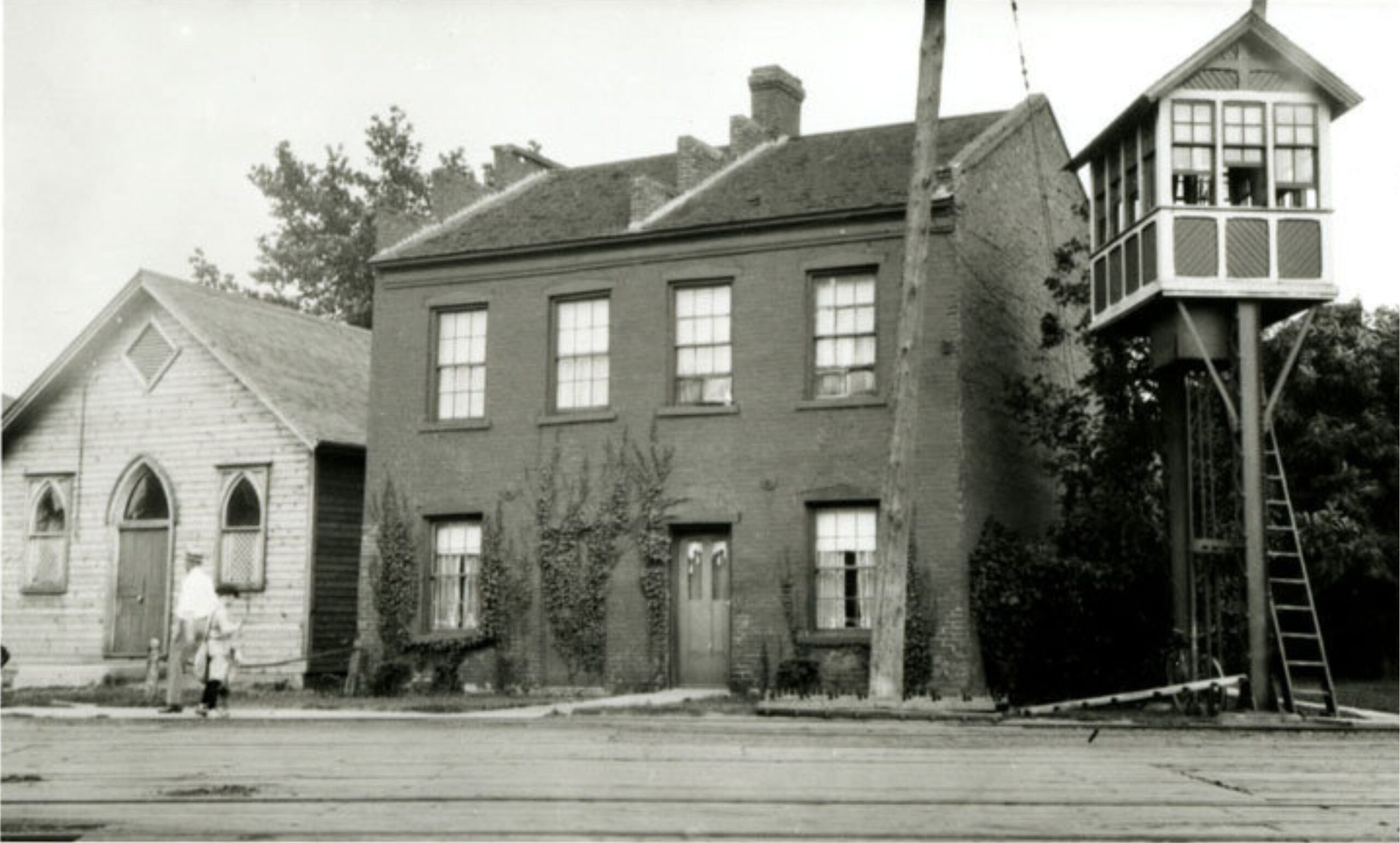
Charity Block located in Chatham provided by The Chatham-Kent Black Historical Society.
The paper also connected readers across borders, sharing news, opinions, and opportunities between Canada and the United States. Through its strong editorial voice, The Provincial Freeman helped shape public thought and empowered Black individuals to define their own futures during a critical period of migration and settlement.
Watch this video for the history of Mary Ann Shadd Cary with The Provincial Freeman. It covers what The Provincial Freeman discussed and why it was created.
(This video uses artificial intelligence (AI) to recreate the visual appearance and voice of Mary Ann Shadd Cary for educational and interpretive purposes. While the visuals and audio are AI-generated, all historical information presented is based on documented research and verified historical sources. Some dialogue has been recreated to help bring history to life while remaining faithful to the historical record.)