

Abraham Doras Shadd: Building a Legacy of Freedom
Settling in Raleigh Township in Kent County, Shadd quickly became a respected community leader. He purchased land, established a farm, and continued his advocacy for education by building a school on his property—personally supporting it financially when necessary. His commitment to community extended beyond education: he lent farm equipment to neighbours, supported local development, and assisted newly arrived freedom seekers.
Shadd made history as the first Black man elected to Raleigh Township Council, a significant achievement in 19th-century Canada. He also served as a Deputy Returning Officer in local elections and was an active member of the Masonic Lodge, contributing to community service efforts during a period of rapid growth in Black settlement across Southwestern Ontario.
Even when facing challenges—such as a legal battle against a railway company over crop damage caused by train sparks—Shadd demonstrated determination and leadership, covering the legal costs himself when the effort proved unsuccessful.
Abraham D. Shadd died on February 11, 1882, and was laid to rest in Maple Leaf Cemetery. His funeral was widely attended, reflecting the deep respect he had earned within the community.
His legacy endured through his descendants, particularly through Mary Ann Shadd Cary, whose contributions to education, journalism, and civil rights continue to be recognized today. Institutions such as schools named in her honour stand as a testament to the enduring impact of the Shadd family—a family whose commitment to freedom, education, and community leadership helped shape the history of both the United States and Canada.
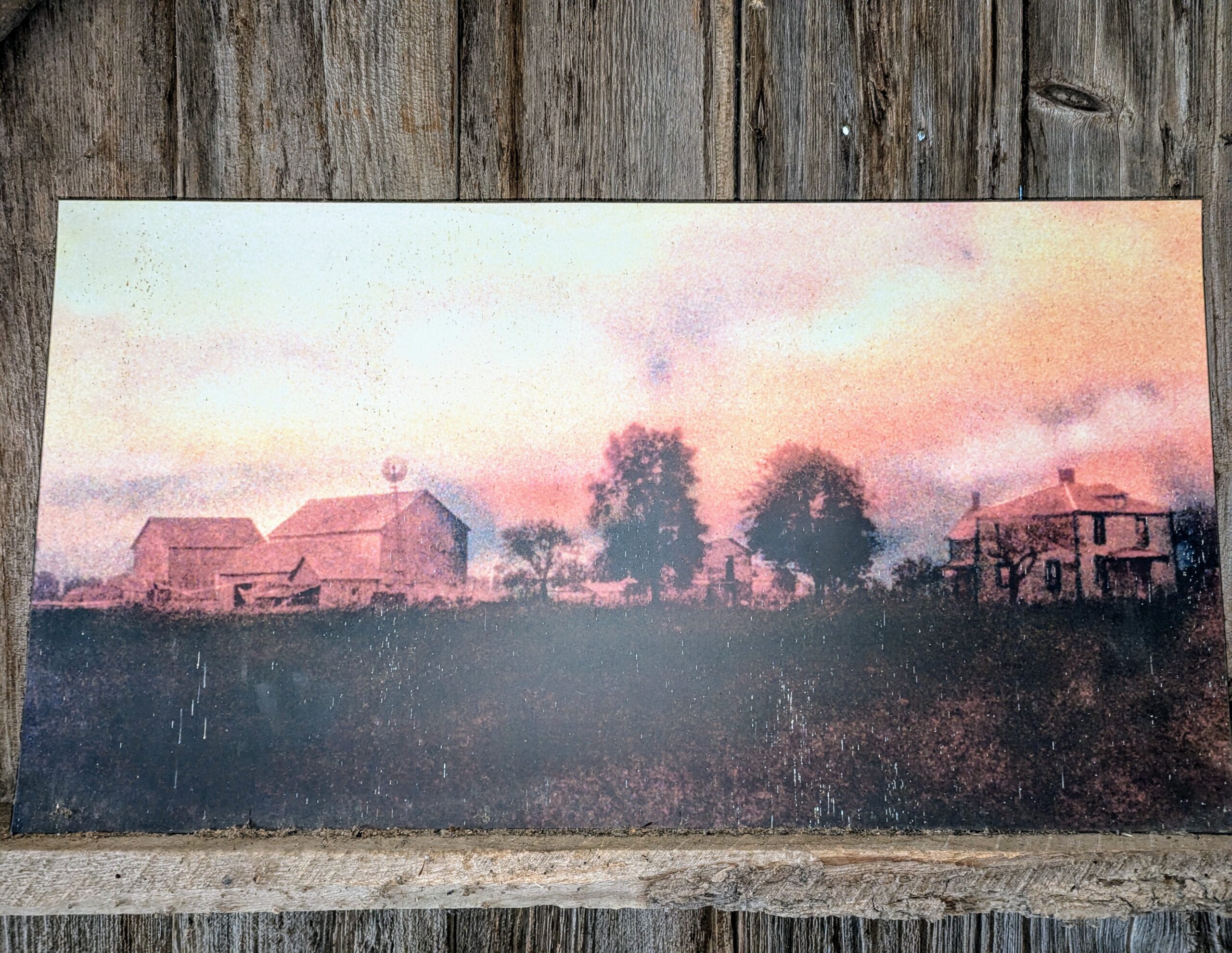
Painting depicting A.D Shadd’s barn.
Take a virtual journey through the A.D. Shadd Barn, built in approximately 1853, which now sits on the grounds of the Buxton National Historic Site & Museum. It was moved from the original property of the 6th concession of Raleigh in 2002.