Imagine a time, more than two centuries after first contact with Samuel de Champlain in 1613, establishment of new Canadian settlements, exposure to new epidemics, the Royal Proclamation of 1763, the establishment of Upper and Lower Canada, and loss of hunting territory, when a new challenge faces the Algonquin people. This new challenge was the designation of Reserve #39 near Golden Lake, Ontario in 1873.
Located in the Ottawa Valley, Reserve #39 was originally, and still is, commonly referred to as Golden Lake Indian Reserve. Today, we are the Algonquins of Pikwàkanagàn, meaning “A hilly place”.
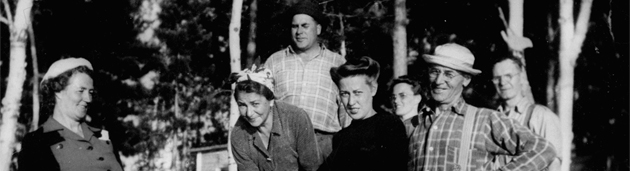
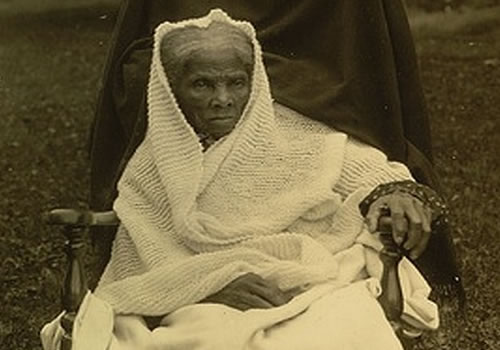
Faces of Pikwàkanagàn is a pictorial timeline of the adaptation and endurance of the Algonquins of Pikwàkanagàn since the designation of Reserve #39. The images in our virtual exhibit represent that past 140 years of Algonquin strength in a proud and progressive community. Many of these photos capture the daily lives of those residing in Pikwàkanagàn during a time when there were changes in government policy, enforcement of the Indian Act, territory rights infringements, development of native tourism trade, and legislation to ban culture and language. The photos in our story depict daily tasks such as fishing, hunting, laundry, family gatherings, catching the train, performance of an Indian village for tourists, and even stopping to change a car tire.
Today, there is encouragement for embracing being Algonquin, and our journey along the red road to an understanding of our culture, traditions, language and philosophies while balancing life in a modern society, stereotypes, and loss of language. This is our way of life – Omàmiwininì Pimàdjwowin – the Algonquin way of life.